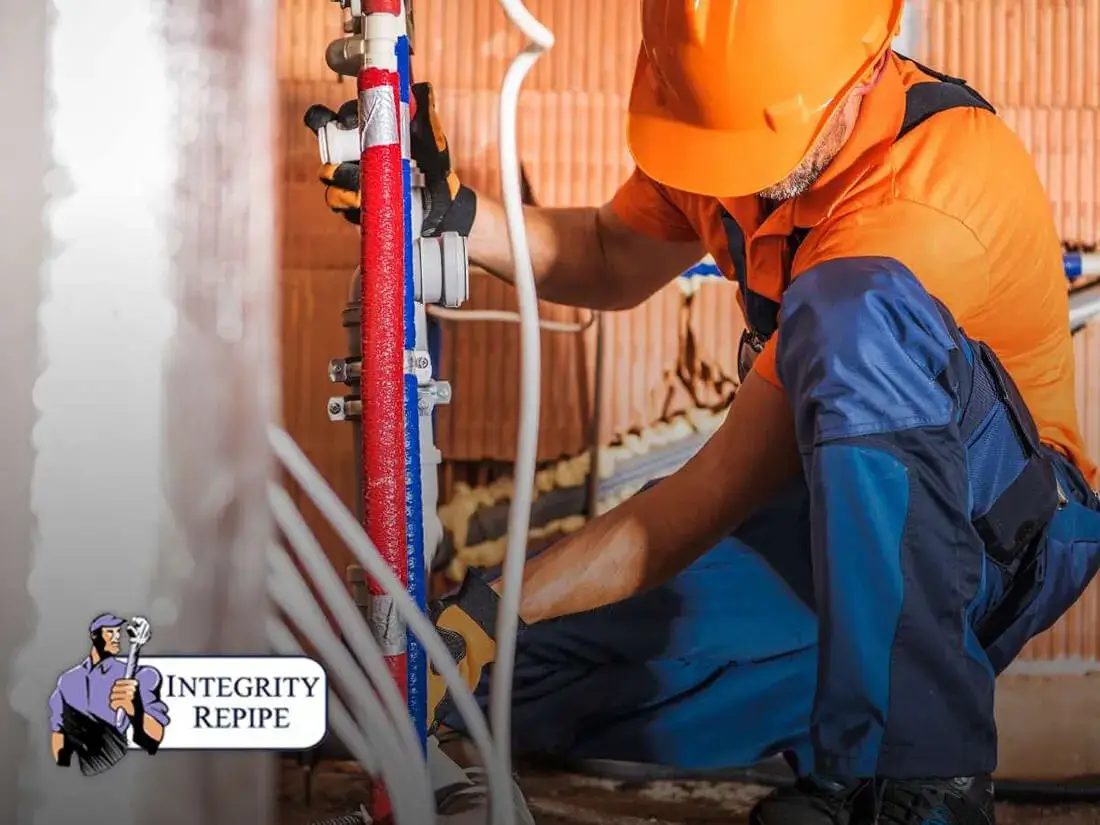
Why Investing in Repiping Solutions Is Important for Your Home's Plumbing Health and wellness
Repiping solutions play a necessary duty in maintaining a home's plumbing wellness. Over time, pipes can corrode, leak, or come to be stopped up, resulting in prospective risks and inefficiencies. Home owners usually forget the signs of wearing away pipes, which can lead to substantial damage. Understanding the need for repiping is important. What elements should home owners consider before making this investment? The answers might shock you.
Understanding the Value of Repiping
While numerous property owners may ignore the importance of repiping, it plays a necessary function in preserving the overall wellness of a plumbing system. In time, pipelines can corrode, develop leaks, or become obstructed with mineral deposits, bring about minimized water top quality and circulation stress. Repiping addresses these problems by changing old, broken pipelines with new, resilient materials, making sure a reputable supply of water and decreasing the danger of costly fixings linked with leakages and water damages. Additionally, modern piping products are frequently more ecologically friendly and reliable, contributing to reduced power costs and improved water preservation. Carrying out a repiping job can enhance a home's resale value, making it a sensible investment for property owners. Ultimately, acknowledging the significance of repiping enables property owners to take positive actions in safeguarding their plumbing systems and making sure a secure, useful living atmosphere for their family members.
Typical Signs That Show the Need for Repiping
Home owners need to be watchful for certain signs that indicate the requirement for repiping, as disregarding these problems can cause extra extreme plumbing troubles. One usual indicator is the visibility of constant leaks, which can recommend aging or weakening pipelines. Additionally, a noticeable decrease in water pressure might suggest blockages or corrosion within the plumbing system. Home owners could also observe blemished or corroded water, indicating pipe destruction. Unexplained water bills that are noticeably greater than usual can additionally mean leakages concealed within the wall surfaces. Additionally, the development of mold and mildew or mildew in locations near plumbing fixtures can recommend moisture problems stemming from harmed pipelines. If the home has old galvanized piping, it may be time to believe concerning repiping, as this product is prone to corrosion and deterioration. Identifying these indications early can aid maintain a healthy and balanced plumbing system.
The Threats of Disregarding Pipes Issues
Ignoring pipes problems can result in considerable water damage, which may jeopardize the architectural integrity of a home. Furthermore, unsettled leaks can develop a setting for mold and mildew development, positioning major carcinogen to residents. Resolving plumbing troubles immediately is vital to protect both residential or commercial property and wellness.
Water Damages Problems
When plumbing problems go unaddressed, the risk of water damage intensifies significantly. Leaks, drips, and fractures in pipes can cause significant water breach, jeopardizing the architectural stability of a home. With time, also minor leaks can trigger rot, mold and mildew development, and damage to walls and flooring, resulting in pricey repairs. Water damage can also affect electric systems, producing harmful problems. Homeowners usually underestimate the cumulative effect of tiny leaks, which can bring about extensive damages otherwise immediately resolved. Overlooking plumbing issues not just increases the likelihood of instant damage but can additionally diminish residential or commercial property worth and position long-lasting monetary concerns. Consequently, prompt repiping solutions are vital to avoid water damage and keep a healthy home environment.
Health And Wellness Hazards Boost
Unsettled plumbing issues can lead to substantial carcinogen within a home. Polluted water from rusty pipes can introduce harmful bacteria and lead to major health problems. Mold and mildew development, often an outcome of leakages and excess dampness, presents respiratory risks and can set off allergic reactions. In addition, stagnant water can bring in parasites such as bugs and rodents, which lug illness that better threaten family members health and wellness. Disregarding these plumbing issues not only endangers the security of residents however can additionally reduce residential or commercial property value. Dealing with plumbing concerns through repiping services is vital. Timely treatment not just safeguards health and wellness however additionally assures a risk-free living setting, stopping a lot more substantial damage and costly repairs down the line.
Different Types of Piping Products
Piping materials are a necessary component in plumbing systems, affecting resilience, effectiveness, and general efficiency. Various options are available, each with distinct residential or commercial properties and applications. Copper piping is known for its durability and resistance to deterioration, making it a popular selection for both hot and cold water lines. PVC (polyvinyl chloride) is lightweight, economical, and immune to chemical damage, mostly used for drainpipe and vent systems. PEX (cross-linked polyethylene) has obtained appeal due to its versatility and ease of setup, here allowing for less joints and potential leak points. Galvanized steel, though when typical, is much less desirable today as a result of its vulnerability to rust and minimized water flow gradually. Each product provides unique advantages and downsides, making it important for homeowners to consult with pipes experts to determine the most appropriate choice for their particular demands and problems. Choosing the ideal piping product can significantly influence the performance and security of a plumbing system.
The Repiping Refine: What to Expect
The repiping process starts with a comprehensive analysis of the existing pipelines to identify concerns and identify the best program of action. Following this analysis, property owners will certainly need to pick ideal replacement materials that match their pipes requires. An introduction of the installment procedure will certainly provide insights right into what to expect during this significant home renovation.
Evaluation of Existing Pipes
A precise assessment of existing pipelines is essential for making certain the long-term wellness of a plumbing system. This examination includes examining the materials, age, and problem of the pipelines, along with determining any type of indicators of deterioration, leakages, or clogs - Repipe Pros. here Specialist plumbing technicians frequently utilize innovative methods such as video clip inspections to gain a clear view of the pipeline's inside without invasive procedures. By recognizing issue areas early, home owners can protect against more damages and costly repairs in the future. Furthermore, comprehending the present state of the plumbing infrastructure help in making notified decisions concerning essential upgrades or repiping. In general, a complete evaluation works as the foundation for a successful repiping process, guaranteeing that the brand-new system fulfills the home's specific needs
Selecting Substitute Materials
After evaluating the existing pipelines, homeowners face the essential choice of picking proper replacement products for their pipes system. Typical alternatives include copper, PVC, PEX, and CPVC, each with unique advantages and negative aspects. Copper is understood for its resilience and resistance to corrosion, making it a long-lasting choice. PVC is lightweight and affordable, appropriate for drainpipe and air vent lines. PEX uses versatility and is immune to scale and chlorine, making installation less complicated in limited areas. CPVC is similar to PVC however can withstand higher temperature levels. Homeowners should think about factors such as budget plan, local building codes, and the specific needs of their pipes system when making this decision, making sure suitable performance and durability for their home's plumbing framework.
Installment Refine Introduction
Repiping a home can be a considerable undertaking, but recognizing the setup process helps house owners prepare for what lies in advance. The procedure normally starts with a thorough assessment of the existing plumbing system to determine problem locations. Next, a thorough plan is formulated, outlining the essential products and timelines. On the setup day, specialists will commonly begin by closing off the water system and draining the existing pipelines. They after that remove the old piping, which may involve opening wall surfaces or ceilings for here accessibility. Brand-new pipes are installed, ensuring they satisfy present plumbing codes. Ultimately, the system is checked for leaks, and any openings are fixed. Property owners can expect a clean and effective process, decreasing interruption to their every day lives.
Long-Term Conveniences of Repiping Your Home
While lots of home owners might overlook the relevance of upgrading their plumbing, the long-lasting advantages of repiping a home can substantially improve both its value and capability. One of the primary benefits is improved water high quality. Older pipelines may harbor contaminants and corrosion, while new piping assurances tidy and secure water delivery. In addition, repiping can lead to increased water stress, making daily jobs much more effective.
Just how to Select the Right Pipes Solution for Repiping
How can homeowners assure they select the very best plumbing solution for repiping? They must investigate regional plumbing companies, concentrating on those that specialize in repiping services. Houston Repipe Specialists. Reading on-line reviews and reviews can offer understandings into the high quality of service supplied. It's necessary to examine for appropriate licensing and insurance coverage, ensuring the picked company complies with neighborhood regulations
House owners ought to also ask for in-depth quotes from multiple service providers to compare rates and services provided. Engaging directly with potential plumbing professionals can aid examine their know-how, interaction abilities, and readiness to address questions. In addition, asking for references from previous clients can verify a business's dependability and handiwork.
House owners should take into consideration the firm's guarantee policies on materials and labor, as this can show their commitment to high quality. By adhering to these guidelines, homeowners can make an informed option, securing their plumbing wellness through efficient repiping solutions.
Regularly Asked Concerns
How Lengthy Does a Typical Repiping Job Take to Complete?
A typical repiping job normally takes between one to 5 days to finish, relying on the size of the home and complexity of the pipes system. Appropriate preparation and contractor proficiency can influence total duration considerably.
Will Repiping Boost My Home's Resale Worth?
Repiping often improves a home's resale worth, as prospective buyers value upgraded pipes systems. This enhancement lowers prospective plumbing problems, making the property extra attractive and potentially justifying a greater asking rate throughout sale settlements.
Can I Keep in My Home During Repiping?
Throughout repiping, remaining in the home is commonly possible, yet it may depend upon the extent of the work. Homeowners must plan for short-lived disturbances and seek advice from with professionals for certain plans and safety considerations.
What Is the Typical Expense of Repiping a Home?
The ordinary cost of repiping a home usually ranges from $4,000 to $15,000, depending upon factors such as the dimension of your home, products made use of, and labor prices connected with the plumbing job. - Houston Repiping
Do I Need a Permit for Repiping Providers?
A permit is generally required for repiping solutions, as it ensures compliance with neighborhood building regulations and guidelines. Property owners ought to consult their local authority or a certified plumbing professional to determine particular allowing needs for their area.